


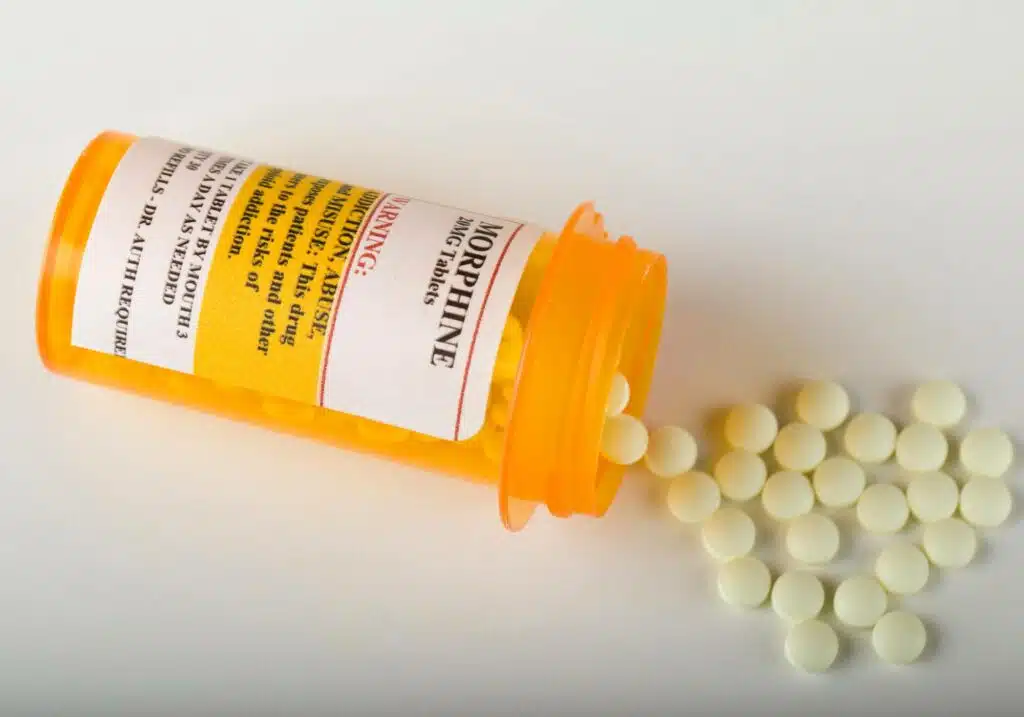

Opiates are natural substances derived from the opium poppy, whereas opioids are synthetic or semi-synthetic substances designed to replicate the effects of opiates. Morphine, a classic opiate, is frequently prescribed for managing moderate to severe pain, including conditions like chronic pain, cancer pain, post-operative recovery, and palliative care.
Despite its critical role in pain management, morphine’s ability to produce feelings of euphoria can lead to misuse and addiction. Users can quickly develop a tolerance to morphine, escalating the risk of dependency.
What is Morphine?
Morphine is a powerful opiate and narcotic analgesic that targets the central nervous system to relieve pain. Available only by prescription, it comes under various brand names, including MS-Contin, Oramorph SR, Roxanol, RMS, and Kadian, among others.
Traditionally administered by injection, morphine is now also available in several forms to accommodate different medical needs:
- Oral solutions
- Extended-release tablets
- Extended-release capsules
- Immediate-release tablets
These extended-release forms are intended for patients who require continuous, long-term pain management that cannot be handled by other pain medications.
Given its potent pain-relieving capability, it is valid to question the addictive potential of morphine. Indeed, due to its ability to induce euphoria and the body’s rapid development of tolerance, morphine carries a high risk of addiction if it is misused or used excessively.
How Does Morphine Work?
Morphine acts by suppressing the central nervous system, significantly reducing or blocking pain signals to the brain. It also increases dopamine production, leading to the euphoria and effective pain relief it is known for. Despite these benefits, morphine has considerable drawbacks, particularly with long-term use.
Side Effects of Morphine
The administration of morphine can lead to a variety of side effects, including:
- Anxiety and agitation
- Cognitive confusion or “brain fog”
- Gastrointestinal issues like constipation
- Sleep problems
- Drowsiness
- Dry mouth and eyes
- Reduced motivation and depressive states
- Dizziness
- Altered pain perception, which may cause unnoticed injuries
- Fatigue
- Hallucinations
- Memory impairments
- Mood swings
- Nausea and vomiting
- Loss of appetite
- Diminished motor skills and impaired judgment
- Respiratory depression
- Seizures
- Speech difficulties
Long-Term Risks of Morphine Use
Extended use of morphine, particularly beyond one to two weeks, increases the risk of:
- Developing tolerance, necessitating higher doses for the same level of pain relief.
- Dependence, where withdrawal symptoms manifest if the drug is abruptly discontinued.
- Addiction, a serious brain disorder resulting from repetitive drug use.
Research shows that morphine’s effectiveness for chronic pain decreases after about three months, emphasizing the need for meticulous, medically supervised treatment plans.
Is Morphine Addictive?
Prolonged morphine use can culminate in addiction, marked by physical and psychological dependence. Classified as a Schedule II controlled substance, morphine’s high addiction potential is well-documented.
Physical dependence can develop from extended use, particularly in individuals using morphine for chronic pain management. This dependence is characterized by the body’s need for the drug to prevent withdrawal symptoms and maintain normal functioning. Psychological dependence, which includes cravings and compulsive drug use, may not necessarily develop in patients using morphine strictly under medical supervision for pain relief.
Patients can manage the risks associated with physical dependence by gradually tapering the dosage under medical guidance, reducing the potential for withdrawal symptoms.
Opioid use disorder, or morphine addiction, often arises from prolonged misuse, where individuals struggle to control or reduce their drug use. This highlights the crucial distinction between dependence resulting from therapeutic use and addiction caused by drug misuse.

Signs of Morphine Addiction in a Loved One
If you suspect that someone close to you is abusing morphine, there are several signs to look out for that may indicate their misuse of the drug:
- Behaviors resembling intoxication, such as slurred or delayed speech
- Frequently appearing overly sleepy or nodding off unexpectedly
- A detached demeanor or seeming disconnected from their environment
- Noticeably constricted pupils
- The presence of drug paraphernalia, like numerous empty morphine containers or syringes
- Displays of unusually euphoric moods
- A tendency to sit or stand in a slumped position
- Issues with balance or general clumsiness
- An abnormally slow or shallow breathing pattern
Recognizing these signs is vital for identifying morphine misuse and encouraging the individual to seek help. If you or a loved one are facing challenges with morphine addiction in Chattanooga, Iris Wellness Group provides comprehensive addiction treatment services. Contact us at 423-441-4650 or fill out our online contact form for support.
Morphine Abuse
Morphine is recognized for its potent pain-relieving effects and can induce:
- Substantial alleviation of pain
- A trance-like state of deep contentment
- A feeling of calm and relaxation
- Intense feelings of euphoria
- Increased drowsiness and sleepiness
- Reduced anxiety
However, the misuse of morphine is largely driven by the intense euphoria it can produce.
Behavior signs of morphine abuse includes:
- Taking higher doses than prescribed as tolerance increases, reducing both its pain-relieving and euphoric effects
- Recreational use of morphine
- Using morphine without a prescription
- Doctor shopping to obtain multiple prescriptions
- Using a prescription intended for someone else
High doses of morphine significantly raise the risk of opioid overdose. According to CDC data from 2020, opioids and opiates were implicated in over 75,000 of the 100,000 drug overdose deaths in the U.S. that year, marking a steep rise from 55,000 opioid-related fatalities in 2019.
Iris Wellness Group offers dedicated outpatient treatment for morphine addiction in Chattanooga, TN. Contact us today at 423-441-4650 or fill out our online contact form to embark on your journey towards a drug-free life.
Signs of a Morphine Overdose
Observing the signs of a morphine overdose is crucial for timely medical intervention.
Some of the critical symptoms of a morphine overdose include:
- Significantly reduced breathing rate
- Deep sedation, where the individual may be difficult to wake
- Elevated body temperature
- Lack of focus and confusion
- Impaired speech capabilities
- Increase in blood pressure
- Unresponsive to external stimuli
- Pain in the back or sides
- Muscle spasms and cramps
- Swelling in the face, hands, or feet
An overdose on morphine can escalate to unconsciousness or potentially lead to a fatal coma. Immediate medical help is essential when these signs are present.
Signs of Morphine Addiction
Morphine addiction typically develops from prolonged misuse and is characterized by a compulsion to use and a physical dependence on the drug.
Here are signs of morphine addiction:
- Sleep disturbances and depressive states
- Increased drowsiness and lack of coordination
- Slurred speech combined with heightened anxiety
- Cravings for more morphine and developing tolerance to its effects
- Challenges in reducing or ceasing morphine use
- Emotional instability and significant weight changes
- Persistent use despite clear adverse effects and emergence of withdrawal symptoms as the drug effects wane
- Ongoing symptoms resembling the flu and deterioration in personal and financial stability
According to the DSM-5-TR, opioid use disorder includes several criteria such as:
- Using morphine in larger amounts or for longer than intended.
- Unsuccessful efforts to cut down or control morphine use.
- Spending excessive time obtaining, using, or recovering from the drug’s effects.
- Strong desire or urge to use morphine.
- Continued use despite obligations being neglected and persistent social problems.
- Using in hazardous situations and continued use despite knowing it’s worsening a health condition.
- Tolerance and withdrawal symptoms manifesting without morphine.
Recognizing these signs is vital for effective intervention and treatment of morphine addiction.
Morphine and Other Drugs
Mixing morphine with other central nervous system (CNS) depressants such as alcohol and benzodiazepines heightens the risk of severe complications. The combined effects can lead to profound sedation, critical respiratory depression, or even coma, which are serious health threats. Therefore, it’s crucial to avoid such combinations and seek professional guidance when dealing with substance use issues.

Morphine Addiction Treatment
Addressing morphine addiction effectively often requires a multifaceted approach, blending medication assistance with various forms of therapy. Here are some established treatment methods:
- Medication-Assisted Treatment (MAT): This approach utilizes FDA-approved medications like naloxone, buprenorphine, and methadone to tackle different aspects of addiction. Naloxone blocks the euphoric effects of morphine, reducing the desire to use, while buprenorphine and methadone alleviate withdrawal symptoms and curb cravings. These medications provide a more stable pathway to recovery by helping individuals remain engaged in their treatment plans and reducing the likelihood of relapse.
- Psychotherapy: Essential therapies like Cognitive Behavioral Therapy (CBT) and Dialectical Behavior Therapy (DBT) play a crucial role in treatment. These therapies help patients uncover the underlying reasons for their addiction, enhance their ability to handle stress, modify unhealthy behaviors, and develop effective coping strategies.
- Counseling: Offering both individual and group counseling, these sessions are vital for recovery, providing a platform for patients to express themselves and gain insights from peers facing similar challenges. Counseling helps reinforce the personal and social skills needed to build and sustain a drug-free life.
Combining these therapeutic strategies has proven effective in treating opioid use disorders, including those stemming from morphine use. Medications typically work best alongside behavioral therapies, addressing both the physiological and psychological foundations of addiction.
At Iris Wellness Group we offer specialized outpatient morphine addiction treatment in Chattanooga, TN. Our comprehensive program integrates medication management, psychotherapy, and counseling to offer a personalized and supportive recovery process. Our aim is to empower you to overcome addiction and pave the way for a healthier, more stable future. Contact us today at 423-441-4650 or fill out our online contact form to embark on your journey towards a drug-free life.
Morphine Addiction Treatment in Chattanooga, TN
At Iris Wellness Group we specialize in providing targeted and compassionate treatment for individuals struggling with morphine addiction in Chattanooga, TN. Recognizing the unique journey of each person affected by morphine addiction, our dedicated team offers personalized care plans designed to address the specific needs and challenges of our clients. Our goal is to support individuals on their path to recovery, helping them achieve a healthier, substance-free lifestyle through a comprehensive approach to treatment.
Treatment Options for Morphine Addiction and Withdrawal
- Outpatient Detox: Offers medically supervised detoxification services to safely manage morphine withdrawal symptoms in an outpatient setting.
- Outpatient Treatment: Designed for those who require flexible treatment schedules without intensive daily commitments.
- Intensive Outpatient Program (IOP): Ideal for individuals needing more support than standard outpatient care, providing a structured therapy schedule while allowing patients to live at home.
- Partial Hospitalization Program (PHP): Serves as a bridge between inpatient care and outpatient treatment, offering comprehensive day-long therapy sessions for more intensive care without an overnight stay.
To complement our range of treatment options, Iris Wellness Group integrates a holistic approach to therapy, targeting the multifaceted aspects of morphine addiction. Understanding that recovery is not one-size-fits-all, we tailor our therapy programs to meet the individual needs of our clients, focusing on not just overcoming addiction but also on fostering long-term wellness and resilience.
Therapies Offered for Morphine Addiction and Withdrawal:
- Cognitive Behavioral Therapy (CBT): Aims to identify and modify negative thought patterns and behaviors related to cannabis use.
- Individual Therapy: Offers a private setting for patients to explore personal issues and challenges related to their addiction.
- Group Therapy: Provides a supportive environment where individuals can share experiences and strategies for coping with addiction.
- Family Therapy: Engages family members in the treatment process to heal relationships and build a supportive home environment for recovery.
If you or someone you care about be grappling with morphine addiction, it’s crucial to act now. Contact our drug rehab in Chattanooga, TN at 423-460-9766 or through our online form to embark on the path towards a life free from drug dependence.