

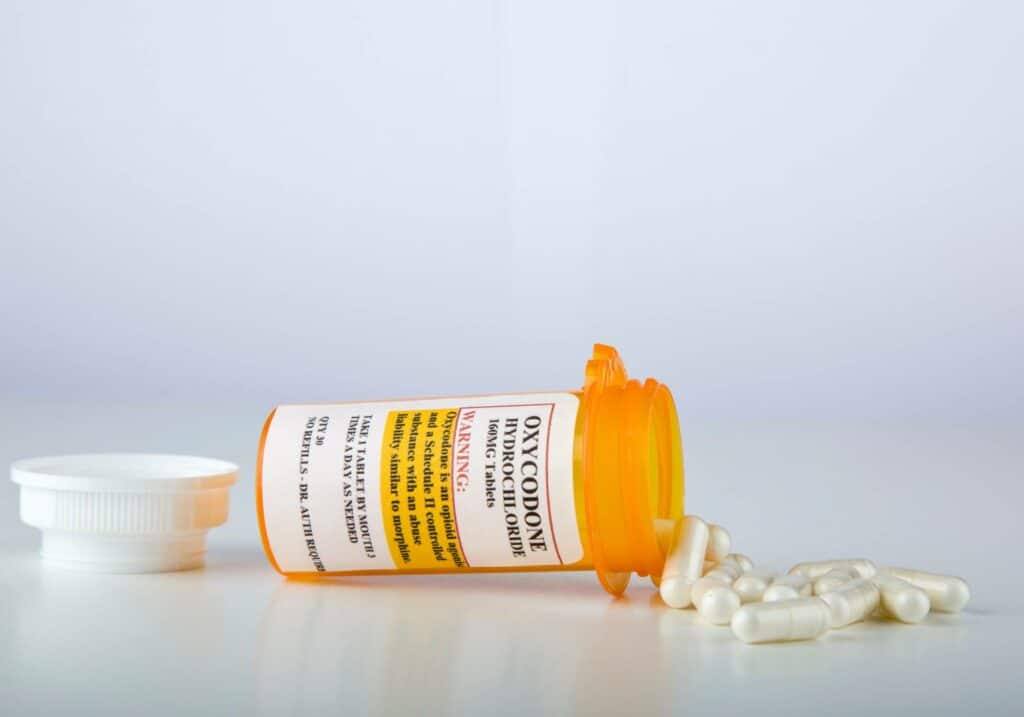

Oxycodone, a potent opioid, is frequently prescribed for managing acute post-surgical or injury-related pain, as well as chronic pain from various medical conditions. It is an active ingredient in several major pain relief drugs like Percocet and Percodan, and it’s also available in a long-lasting formulation known as OxyContin.
Regular use of oxycodone can lead to the development of tolerance and physical dependence. This dependence may result in withdrawal symptoms if the drug use is suddenly decreased or stopped, irrespective of whether it was used as prescribed.
What is Oxycodone Withdrawal?
Oxycodone withdrawal occurs when individuals who have become dependent on this opioid reduce or cease their usage. Over time, the body may require increasingly larger doses to achieve the same analgesic effect, leading to greater tolerance and dependence.
Abrupt cessation or reduction in dosage can trigger intense withdrawal symptoms, making the process extremely uncomfortable and challenging, often driving individuals back to drug use to avoid withdrawal discomfort. Structured treatment programs, including both inpatient and outpatient options along with medical detox, can significantly help individuals safely manage withdrawal and pursue lasting sobriety.
Oxycodone Withdrawal Symptoms
Withdrawal from oxycodone can differ greatly from person to person, yet typical oxycodone symptoms include:
- Intense cravings for oxycodone
- Anxiety and agitation
- Abdominal cramps and diarrhea
- Muscular pain
- Disrupted sleep patterns
- Rapid heart rate
- High blood pressure
- Nausea and vomiting
The risk of relapse is a major concern during withdrawal, often fueled by unbearable cravings and the urge to alleviate the discomfort of withdrawal symptoms. After a period without oxycodone, a person’s tolerance may decrease, significantly elevating the risk of overdose should they relapse. Effective management of these cravings is crucial to prevent relapse and ensure safety throughout the withdrawal phase.
Iris Wellness Group offers a comprehensive treatment approach for oxycodone withdrawal in Chattanooga, TN, addressing these symptoms and providing the necessary support to help individuals successfully navigate the challenges of withdrawal and decrease the likelihood of relapse.

How Long Does Oxycodone Withdrawal Last?
The duration of oxycodone withdrawal varies widely due to several personal factors, including the duration of use, dosage levels, frequency of intake, concurrent use of other substances, and individual health characteristics like gender and body weight. The method of consumption, whether through oral intake, snorting, or injection, also affects the withdrawal timeline.
Withdrawal symptoms typically commence between 8 to 12 hours following the last dose and can last from a few days up to a week, with the most intense symptoms peaking around the 72-hour mark. Although the acute phase usually resolves within a week, some individuals may endure post-acute withdrawal symptoms (PAWS) that can linger for up to 18 to 24 months, decreasing gradually in intensity. PAWS might include symptoms like poor concentration, persistent anxiety, depression, mood fluctuations, irritability, and sleep disturbances.
Oxycodone Withdrawal Timeline
- Days 1-2: Symptoms start 8-12 hours after the last dose and include muscle aches, nausea, cravings, irritability, headaches, restlessness, rapid breathing, loss of appetite, fatigue, and anxiety.
- Days 3-5: This period typically marks the peak of withdrawal symptoms, which can include vomiting, continued nausea, cramps, shaking, and muscle aches.
- Days 6-7: While physical symptoms may begin to subside, psychological symptoms such as depression and anxiety might persist, along with nausea and diarrhea.
- Days 8-21: The body has mostly detoxed from oxycodone by this stage, though some may continue to experience psychological symptoms like depression and anxiety for several weeks.
Oxycodone Detox Process
A medical detox is crucial for safely managing oxycodone withdrawal under professional supervision and is the first step in a comprehensive treatment plan aimed at addressing oxycodone dependence.
The detox process includes three primary phases:
- Evaluation: A thorough assessment of the individual’s health and substance use history to customize the treatment plan. This includes identifying any co-occurring mental or physical health conditions.
- Stabilization: Managing withdrawal symptoms, which may involve medication, monitoring vital signs, and providing support as the individual prepares for continued addiction treatment.
- Transition to Treatment: Guiding and encouraging the individual to proceed into structured addiction treatment programs that tackle the underlying issues associated with opioid use disorder.
Detox programs typically last about 7 days, though this duration can vary based on individual needs and the severity of the addiction.

Oxycodone Withdrawal Treatment in Chattanooga, TN
At Iris Wellness Group we specialize in providing targeted and compassionate treatment for individuals struggling with oxycodone withdrawal in Chattanooga, TN. Recognizing the unique journey of each person affected by oxycodone addiction, our dedicated team offers personalized care plans designed to address the specific needs and challenges of our clients. Our goal is to support individuals on their path to recovery, helping them achieve a healthier, substance-free lifestyle through a comprehensive approach to treatment.
Treatment Options for Oxycodone Addiction and Withdrawal
- Outpatient Detox: Offers medically supervised detoxification services to safely manage withdrawal symptoms in an outpatient setting.
- Outpatient Treatment: Designed for those who require flexible treatment schedules without intensive daily commitments.
- Intensive Outpatient Program (IOP): Ideal for individuals needing more support than standard outpatient care, providing a structured therapy schedule while allowing patients to live at home.
- Partial Hospitalization Program (PHP): Serves as a bridge between inpatient care and outpatient treatment, offering comprehensive day-long therapy sessions for more intensive care without an overnight stay.
To complement our range of treatment options, Iris Wellness Group integrates a holistic approach to therapy, targeting the multifaceted aspects of oxycodone addiction. Understanding that recovery is not one-size-fits-all, we tailor our therapy programs to meet the individual needs of our clients, focusing on not just overcoming addiction but also on fostering long-term wellness and resilience.
Therapies Offered for Oxycodone Addiction and Withdrawal:
- Cognitive Behavioral Therapy (CBT): Aims to identify and modify negative thought patterns and behaviors related to cannabis use.
- Individual Therapy: Offers a private setting for patients to explore personal issues and challenges related to their addiction.
- Group Therapy: Provides a supportive environment where individuals can share experiences and strategies for coping with addiction.
- Family Therapy: Engages family members in the treatment process to heal relationships and build a supportive home environment for recovery.
If you or someone you care about be grappling with oxycodone withdrawal, it’s crucial to act now. Contact our drug rehab in Chattanooga, TN at 423-460-9766 or through our online form to embark on the path towards a life free from drug dependence.