

What is Rubbing Alcohol?
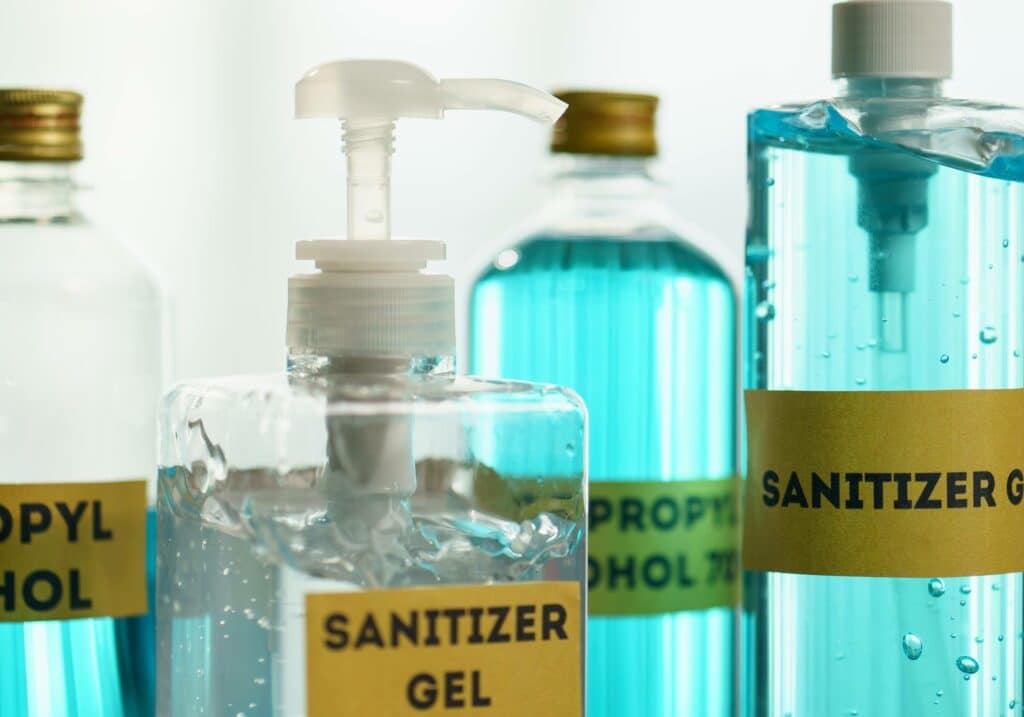
Rubbing alcohol is primarily made up of isopropanol, or isopropyl alcohol, typically formulated as a 70% solution mixed with 30% water. This substance is a colorless, clear liquid with a fruity smell and a distinctly bitter taste. It is extensively used across a variety of products including cosmetics, lotions, aftershaves, cleaners, disinfectants, hand sanitizers, antifreezes, solvents, inks, and pharmaceuticals.
Dangers of Rubbing Alcohol
Rubbing alcohol consists of isopropyl alcohol, which is dangerous and potentially fatal if ingested or inhaled in substantial quantities. Commercially, the concentrations of isopropyl alcohol in rubbing alcohol range from 68-99%. It is a standard component in products such as household cleaners, paint thinners, and personal care items. Bitterants are added to deter ingestion due to its toxic nature.
Methanol, or wood alcohol, is used industrially and can be harmful if absorbed through the skin or ingested, leading to serious health issues including respiratory problems, vision impairment, and possible damage to the nervous system and internal organs.
Ethanol, or ethyl alcohol, found in alcoholic beverages, is also used in medical and manufacturing applications, especially when denatured to prevent consumption. Ethanol is created by fermenting sugars with yeast and is safe to consume in diluted forms like beer, wine, and spirits.
Alcohol Concentrations in Beverages
- Beer: 3-10%
- Wine: 8-14%
- Fortified Wine: 16-22%
- Liqueurs: 15-25%
- Hard Liquor: 40% and above
In contrast, commercial rubbing alcohol contains about 70% isopropyl alcohol, roughly equivalent to 140-proof if measured like ethanol. When ingested, isopropyl alcohol is metabolized differently than ethanol, leading to the production of harmful substances that can severely affect the body.
Where is Isopropyl Found?
Isopropyl alcohol, also known as isopropanol or dimethyl carbinol, is found in a myriad of everyday and industrial products including:
- Antifreeze
- Solvents for industrial processes
- Shellac finishes
- Essential oils
- Quick-drying inks
- Preservatives in cosmetics and pharmaceuticals
- After-shave and hand lotions
- Some types of cosmetics
- Alcohol swabs and antiseptic preparations
- Household cleaning supplies
- Paint thinners
- Perfumes
Isopropyl alcohol is often misused through ingestion or inhalation and can also be absorbed through the skin. Contrary to the old wives’ tale, using isopropyl alcohol for sponge baths in children can lead to severe poisoning, especially in young kids.
It’s crucial to understand that these products are not designed for human consumption or inhalation. Overdose and potentially fatal alcohol poisoning can occur immediately upon isopropyl alcohol entering the body. If alcohol poisoning is suspected, immediate emergency medical intervention is critical.

Can You Drink Rubbing Alcohol?
Absolutely not. Rubbing alcohol, containing industrial solvents such as isopropyl alcohol, is not safe for human consumption under any circumstances. Drinking rubbing alcohol can quickly lead to alcohol poisoning, with fatal outcomes reported from ingesting as little as one pint of isopropyl alcohol.
Despite its risks, some individuals with severe alcohol use disorders might consume rubbing alcohol or other types of non-consumable alcohols to achieve intense levels of intoxication. A startling example from Canada equates consuming a 500-milliliter bottle of isopropyl alcohol (about 17 ounces) within 24 hours to the alcohol content of 30 beers.
Why Do People Drink Rubbing Alcohol?
Rubbing alcohol is sometimes consumed by those seeking a stronger and quicker intoxication, especially by individuals with high tolerance levels due to chronic alcoholism. Its low cost and easy availability—often purchasable around-the-clock at many retailers—make it a risky option for those desperate for alcohol. Its potent and rapid absorption into the bloodstream significantly increases the danger, escalating the risk of severe health impacts, including death. This underscores the importance of support and intervention for individuals struggling with alcohol addiction.
What Happens if You Drink Rubbing Alcohol?
Ingesting even small amounts of rubbing alcohol can be extremely harmful. The body metabolizes isopropyl alcohol into acetone, a highly toxic substance also found in nail polish remover, which can severely affect the digestive system. Rubbing alcohol acts as a strong central nervous system depressant, intensifying the negative effects often seen with excessive ethanol consumption.
Common side effects of consuming isopropyl alcohol include:
- Sedation and Drowsiness: Marked by significant lethargy and sleepiness.
- Dizziness and Disorientation: Impaired cognitive functions leading to confusion.
- Nausea and Vomiting: Severe gastrointestinal distress.
- Stomach Pain and Internal Burning: Acute abdominal discomfort and burning sensations.
- Slurred Speech and Difficulty Breathing: Respiratory issues coupled with impaired speech.
- Pulmonary Swelling: Inflammation from fluid accumulation in the lungs.
- Impaired Coordination and Stumbling: Decreased motor skills leading to physical instability.
- Reduced Judgment Capabilities: Compromised decision-making skills.
- Hypotension (Low Blood Pressure): Can lead to fainting and other health issues.
- Hypothermia (Decreased Body Temperature): A drop in core body temperature.
- Gastrointestinal Bleeding: Bleeding in the digestive tract.
- Bladder Rupture and Diarrhea: Extreme cases may cause bladder issues and severe diarrhea.
- Coma: In severe cases, coma and death are possible.
The consumption of rubbing alcohol poses extreme risks to the cardiovascular system and can lead to organ damage, shock, and coma. Immediate medical intervention is critical in cases of isopropyl alcohol ingestion.
Overdosing on Rubbing Alcohol
Rubbing alcohol poisoning, also known as isopropyl alcohol toxicity, can manifest quickly and is highly likely. Symptoms typically appear within 30 to 60 minutes after consumption, with the potential for rapid escalation into severe poisoning. Initial mild intoxication symptoms can swiftly evolve into critical health emergencies.
Rubbing alcohol significantly impacts blood circulation and oxygenation, damaging vital organ systems. It acts as a blood thinner, reducing the number of red blood cells available to carry oxygen and nutrients throughout the body. This can lead to hypothermia, heart attacks, and seizures, as lowered blood sugar levels are a common complication.
Symptoms of isopropyl alcohol poisoning include:
- Slurred speech
- Headaches
- Dizziness
- Low body temperature
- Low blood pressure
- Rapid heart rate
- Slowed breathing
- Coma
Will You Die if You Drink Isopropyl Alcohol?
Consuming rubbing alcohol can be lethal. The deadly dose is relatively small, typically between 160 to 250 milliliters (about 5.4 to 8 ounces), depending on the isopropanol concentration. For perspective, a standard shot glass holds about 1.5 ounces, and a regular can of soda contains 12 ounces. Thus, ingesting roughly 8 ounces of rubbing alcohol, just over five shot glasses, can result in death.
This quantity is particularly alarming for individuals with alcohol dependence, as it is much less than their usual alcohol consumption. Although incidents of rubbing alcohol poisoning are frequently reported among children and teenagers, they are also prevalent among adults who consume it for intoxication or self-harm. It is imperative to keep rubbing alcohol out of reach of young individuals and to monitor for any misuse within the household.
What Will Treatment Entail?
The treatment for isopropyl alcohol poisoning varies based on the quantity ingested and the severity of the situation. If someone has consumed isopropyl alcohol, the following medical interventions are typically employed:
- Blood and urine tests to determine the level of poisoning.
- Respiratory support, potentially including intubation or mechanical ventilation if there are difficulties in breathing.
- A chest X-ray to identify any respiratory issues.
- An electrocardiogram (EKG) to track heart activity.
- Intravenous (IV) fluids to assist with hydration and facilitate the elimination of toxins.
- Gastric lavage (inserting a tube through the nose to the stomach) to evacuate the stomach contents, particularly effective if treatment is sought shortly after ingestion.
- In extreme cases, dialysis may be required to assist kidney function and accelerate the removal of toxins from the bloodstream.
Alcohol Addiction Treatment in Chattanooga, TN
Struggling with alcohol addiction is a serious challenge, and obtaining professional help is crucial. The withdrawal process from alcohol can pose severe health risks, making it imperative to receive proper medical supervision. If you or someone you know is battling alcoholism, it’s crucial not to delay seeking help. At Iris Wellness Group in Chattanooga, TN, we provide immediate support and effective treatment for alcohol addiction.
During your initial visit, our team will engage with you and your family to thoroughly evaluate the situation and create a customized plan for sobriety. Iris Wellness Group is renowned for its specialization in Alcohol Use Disorder and is committed to starting your recovery journey without delay.
Alcohol addiction is not a life sentence. By recognizing the signs early and seeking help from Iris Wellness Group, you greatly improve your prospects for a successful recovery. Our dedicated team is committed to assisting you in overcoming alcohol addiction and helping you return to a rewarding and healthy life. Contact us today at 423-460-9766 or through our online form to discover more about our personalized alcohol rehab in Chattanooga, TN, designed to meet your specific needs.