



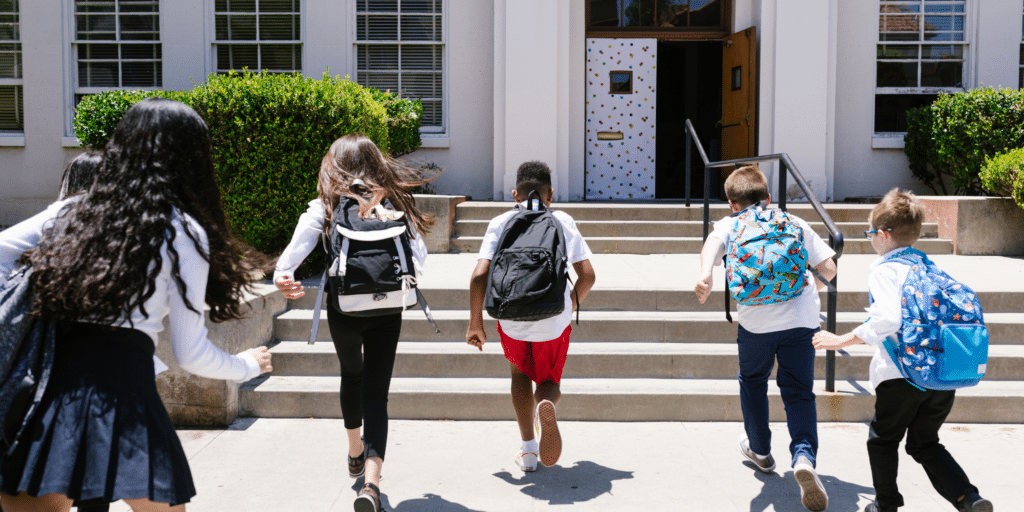

As the summer days wane and the new school year approaches, many teens find themselves grappling with anxiety. The transition from the relaxed pace of summer to the structured environment of school can be overwhelming. For parents, recognizing and addressing this anxiety is crucial in helping their teens manage stress and prevent potential substance abuse. Here’s a comprehensive guide to understanding and alleviating back-to-school anxiety for a successful school year.

Understanding Back-to-School Anxiety
Back-to-school anxiety is a common experience for many teens. The anticipation of new classes, different teachers, and the social dynamics of school can create a significant amount of stress. This anxiety can manifest in various ways, including:
- Physical Symptoms: Headaches, stomachaches, and fatigue.
- Emotional Symptoms: Irritability, mood swings, and feelings of sadness or fear.
- Behavioral Symptoms: Avoidance behaviors, changes in sleep patterns, and difficulty concentrating.
It’s important to understand that these reactions are normal. However, if left unaddressed, they can lead to more serious issues, including academic struggles, social withdrawal, and even substance abuse as a coping mechanism.
Tips for Parents: Helping Your Teen Manage Anxiety
Open Communication
One of the most effective ways to help your teen manage anxiety is through open and honest communication. Encourage your teen to express their feelings and listen without judgment. Ask open-ended questions to facilitate conversation, such as:
- “What are you looking forward to this school year?”
- “Is there anything you’re worried about?”
By showing empathy and understanding, you create a safe space for your teen to share their concerns.
Establish Routines
A predictable routine can provide a sense of stability and control, which is particularly comforting for anxious teens. In the weeks leading up to school, gradually reintroduce school-year routines. This can include:
- Setting regular sleep and wake times.
- Planning and packing lunches together.
- Organizing school supplies and creating a study space.

Focus on Positives
Help your teen shift their focus from fears to the positive aspects of school. Remind them of their strengths and past successes. Discuss what they enjoy about school, whether it’s a favorite subject, extracurricular activity, or friends they look forward to seeing.
Encourage Problem-Solving
Empower your teen to tackle their worries by brainstorming solutions together. For example, if they’re anxious about making new friends, role-play different social scenarios. If they’re worried about managing homework, work together to create a study schedule.
Model Healthy Coping Mechanisms
Teens often mimic their parents’ behaviors. Demonstrate healthy ways to cope with stress, such as:
- Regular exercise.
- Mindfulness and relaxation techniques.
- Maintaining a balanced diet.
Tips for Teens: Managing Your Own Anxiety
Practice Self-Care
Taking care of yourself is crucial when dealing with anxiety. Ensure you get enough sleep, eat nutritious meals, and engage in physical activity. These basic self-care practices can have a significant impact on your overall well-being.
Use Relaxation Techniques
Incorporate relaxation techniques into your daily routine to help manage stress. Some effective methods include:
- Deep Breathing: Practice slow, deep breaths to calm your mind and body.
- Visualization: Imagine a peaceful place or positive outcome to reduce anxiety.
- Progressive Muscle Relaxation: Tense and then relax different muscle groups to relieve tension.
Stay Organized
Keeping track of your assignments, projects, and extracurricular activities can prevent feelings of being overwhelmed. Use a planner or digital app to organize your tasks and set reminders. Break larger tasks into smaller, manageable steps.
Seek Support
It’s important to remember that you don’t have to face anxiety alone. Talk to a trusted adult, whether it’s a parent, teacher, or school counselor. They can provide support, advice, and resources to help you navigate your feelings.
Avoid Negative Coping Mechanisms
While it may be tempting to turn to unhealthy habits like substance use to cope with anxiety, these can lead to more serious problems. Instead, focus on healthy outlets for stress, such as hobbies, sports, or creative activities.

Preventing Substance Abuse
Anxiety can sometimes lead teens to seek relief through substance use. It’s crucial to address this risk by fostering a supportive environment and educating your teen about the dangers of substance abuse.
Educate and Inform
Have open discussions about the risks of substance use. Provide factual information about how drugs and alcohol can negatively impact their health, academic performance, and future goals.
Build a Support Network
Encourage your teen to build strong connections with positive influences, such as supportive friends, family members, and mentors. A robust support network can provide encouragement and deter risky behaviors.
Monitor and Supervise
Be aware of your teen’s activities and social circles. While it’s important to respect their independence, knowing who they’re spending time with and what they’re doing can help you identify potential red flags.
Reach Out Today
If your teen is struggling with anxiety or showing signs of substance abuse, it’s important to seek professional help. Our team at Iris Wellness Group specializes in providing comprehensive support for substance abuse and mental health. We’re here to help your family navigate these challenges and ensure a successful school year.
For those in Georgia, our sister company is also available to provide specialized care. Don’t hesitate to reach out for the support your teen needs to thrive.
Start The School Year Right!
Back-to-school anxiety is a common experience, but with the right strategies and support, your teen can manage their stress and have a successful school year. By fostering open communication, establishing routines, and promoting healthy coping mechanisms, you can help your teen navigate this transition with confidence. Remember, seeking professional help is a sign of strength, and we’re here to support you every step of the way. Let’s work together to ensure a bright and healthy future for your teen.